Hiring an Apprentice in 2026: How Your Business Could Receive Up to £3,000 in Government Support
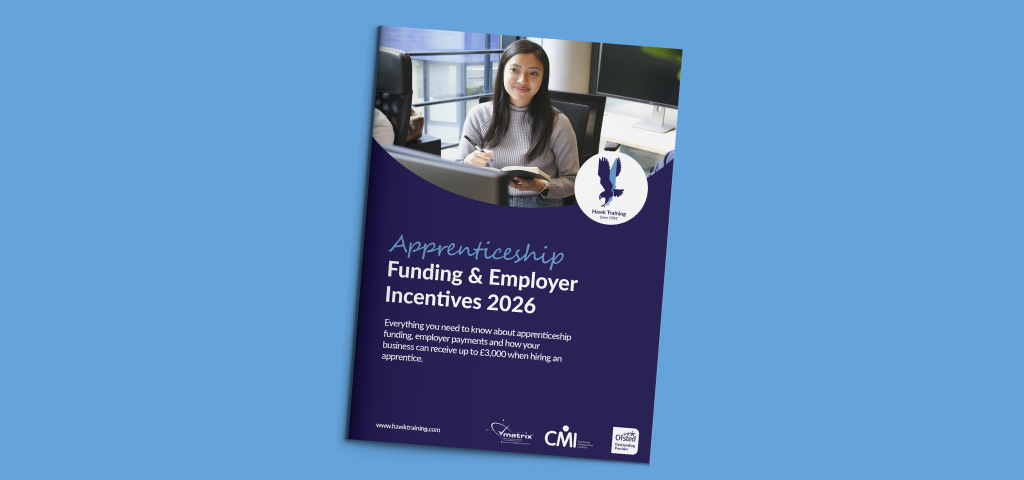
Download our helpful guide on Apprenticeship Funding & Employer Incentives
For many employers, apprenticeships are one of the most effective ways to build a skilled workforce, strengthen succession planning, and develop talent tailored to the needs of the business.
What many businesses don’t realise, however, is that taking on an apprentice can also unlock significant government funding and direct cash incentives.
Depending on the age of the apprentice and the size of your organisation, you could benefit from fully funded training costs and receive up to £3,000 in direct employer payments.
Here’s everything you need to know.
Why Apprenticeships Make Business Sense
Apprenticeships allow employers to recruit and train individuals while they work, helping businesses develop skills in-house rather than competing for talent in an increasingly challenging labour market.
Beyond the workforce benefits, the government continues to invest heavily in apprenticeships, meaning employers often pay little – or nothing at all – towards training costs.
How Apprenticeship Funding Works
The way apprenticeship training is funded depends on whether your business pays the Apprenticeship Levy.
Levy-paying employers
Businesses with an annual pay bill exceeding £3 million pay the Apprenticeship Levy and use funds held within their digital apprenticeship account to pay for training.
From 1st August 2026, if levy funds are exhausted, employers will contribute 25% of any remaining training costs for apprentices aged 25 and over, with government support covering the balance. For apprentices aged 16-24, your contribution will be £0.
Non-levy paying employers
Businesses with an annual pay bill below £3 million do not pay the levy.
For these employers, government funding covers between 95% and 100% of apprenticeship training costs. In many cases – particularly when employing younger apprentices – the training is fully funded, resulting in no employer contribution at all.

Employer Incentive Payments Available in 2026
£1,000 for Hiring a Young Apprentice
Employers receive a £1,000 payment when hiring an apprentice aged 16 to 18.
This funding is paid in addition to fully funded training and is available regardless of business size.
£1,000 for Apprentices with an EHC Plan
A £1,000 payment is also available when employing an apprentice aged 19 to 24 who has an Education, Health and Care (EHC) Plan.
Training costs remain fully government funded.
£1,000 for Supporting Care Leavers
Employers can receive an additional £1,000 payment when recruiting an apprentice aged up to 24 who is a care leaver, provided the apprentice consents to sharing their status.
This funding recognises the additional support often required when helping care-experienced young people enter employment.
Up to £2,000 for Foundation Apprenticeships
Where applicable, employers participating in Foundation Apprenticeships may be eligible for incentive payments worth up to £2,000.
New £2,000 Hiring Incentive for Non-Levy Employers
One of the most significant developments is the introduction of a new £2,000 hiring payment for eligible non-levy employers.
Available from October 2026, this incentive is designed to encourage businesses to recruit young apprentices and invest in future talent.
Download our helpful guide for more information on available incentives and eligibility criteria.
Additional Support for Care Leavers
Care-experienced apprentices may also qualify for a £3,000 bursary paid directly to them during the first year of their apprenticeship.
The bursary is paid at several points throughout the programme and does not require any action from the employer.
This funding is entirely separate from the £1,000 employer payment available when recruiting an eligible care leaver.
Don't Miss Out on Available Funding
Apprenticeship incentives can provide valuable financial support, but eligibility often depends on getting the details right from the outset.
Factors such as apprentice age, employment history, care leaver status, start dates, and Apprenticeship Service registration can all affect the funding available.
Before committing to an apprenticeship start date, it’s worth speaking with your training provider to confirm exactly which incentives apply and ensure all requirements are met.
Final Thoughts
Apprenticeships remain one of the most cost-effective ways for businesses to recruit, develop and retain skilled employees. With fully funded training available for many apprentices and employer incentive payments worth up to £3,000, there has never been a better time to invest in new talent.
However, navigating apprenticeship funding rules, eligibility criteria and incentive payments can be complex. Small details such as apprentice age, employment history, start dates and registration requirements can have a significant impact on the funding available to your business.
That’s where Hawk Training can help.
Our team works closely with employers to identify the most suitable apprenticeship programmes, maximise available funding and ensure every aspect of the enrolment process is completed correctly. From checking eligibility for incentive payments to managing paperwork and supporting both employers and apprentices throughout the programme, we make the process straightforward and hassle-free.
Whether you’re hiring your first apprentice, upskilling an existing employee or looking to grow your workforce, Hawk Training can guide you through every stage of the journey.
If you’re considering an apprenticeship programme and would like to understand exactly what funding and support your business could receive, get in touch with our team today. We’ll help you unlock the full benefits of apprenticeships while building the skilled workforce your organisation needs for the future.
Information correct at time of publication. Based on DfE Apprenticeship Funding Rules 2026 to 2027, Version 1 (June 2026) and the Apprenticeship Technical Funding Guide from August 2025. Specific eligibility must be confirmed with your training provider.